Understanding the Incorporation of Audio Visual Innovation in Today's Educational Environments
The integration of audio-visual technology in academic settings has transformed the training and finding out process. Educators currently have accessibility to devices that satisfy different discovering designs, enhancing pupil engagement and cooperation. Nevertheless, the incorporation of these modern technologies provides both possibilities and challenges. Understanding just how to successfully carry out these tools is essential. What approaches can educators use to take full advantage of the advantages of audio-visual technology in their classrooms?
The Evolution of Audio-Visual Innovation in Education And Learning
As academic requirements evolved over the years, audio-visual technology went through considerable improvements that reshaped the understanding setting. At first, devices such as film projectors and slide programs were the main ways of integrating visual elements into class. These early technologies supplied teachers with the capability to existing info dynamically, yet they were limited in access and interactivity.
With the arrival of video clip cassette recorders in the 1970s, classrooms began to integrate recorded lessons, broadening the extent of instructional resources. The intro of computers in the 1980s more transformed this landscape, permitting for the development of multimedia presentations and interactive learning experiences.
The surge of the internet in the 1990s marked an essential minute, enabling real-time access to a wide range of audio-visual materials. Today, digital tools such as interactive whiteboards and on-line knowing systems remain to improve the academic experience, cultivating engagement and partnership among students.
Advantages of Audio-Visual Tools for Diverse Knowing Styles
Audio-visual tools play a necessary function in catering to varied understanding designs by enhancing visual understanding and enhancing auditory involvement. By incorporating images, video clips, and noise, these technologies create a more inclusive instructional environment. This diverse strategy allows teachers to resolve the different preferences and demands of students effectively.
Enhancing Visual Understanding
Interaction in the discovering procedure is substantially boosted through using audio-visual devices, satisfying different learning styles. These devices, such as video clips, infographics, and interactive presentations, give aesthetic stimulations that help comprehension and retention. Visual learners, in specific, benefit from the consolidation of photos and computer animations, which can streamline complex ideas and improve understanding. Additionally, audio-visual sources can illustrate real-world applications, making finding out more appropriate and engaging. By integrating color, motion, and noise, educators can create a vibrant learning environment that captures students' interest and promotes deeper cognitive connections. Inevitably, the calculated use of audio-visual modern technology not just sustains aesthetic discovering yet also improves the total educational experience for varied learners.
Improving Auditory Involvement
A significant advantage of integrating audio-visual devices in education and learning is their capacity to boost auditory interaction among pupils. These tools, which encompass multimedia discussions, podcasts, and interactive sound elements, provide to numerous finding out styles, particularly profiting acoustic learners (audio visual charlotte nc). By integrating sound and narrative, teachers can create immersive experiences that record pupils' focus and reinforce comprehension. This interaction is essential, as it fosters a much deeper understanding of the product and promotes retention. Additionally, audio-visual tools can help with collaborative learning settings, motivating students to take part in discussions and share their insights. Eventually, the incorporation of audio-visual modern technology not only supports auditory involvement but also enhances the general instructional experience, making discovering more dynamic and effective for all students
Enhancing Interaction With Interactive Understanding
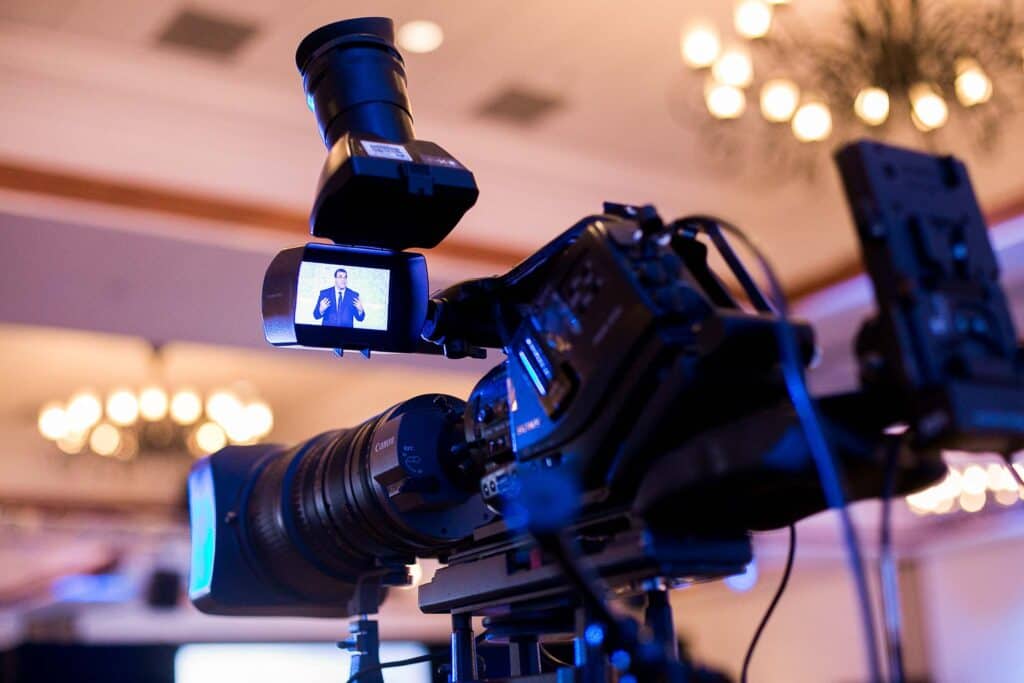
Furthermore, gamification components, such as quizzes and simulations, can improve motivation and retention, making learning extra satisfying and effective. These strategies not just boost cognitive interaction however likewise accommodate varied learning styles, ensuring that all pupils can get involved meaningfully. Therefore, interactive knowing atmospheres promote a sense of community and belonging, ultimately leading to boosted academic outcomes. Via the integration of audio visual technology, educators can change traditional class into vibrant rooms where students grow and actively shape their instructional journeys.
Linking Concept and Method With Multimedia Resources
Multimedia sources offer as a vital link in between academic ideas and functional application in instructional setups. By enhancing engagement, assisting in collective knowing experiences, and supporting varied understanding designs, these devices develop an extra comprehensive and dynamic understanding setting - audio visual charlotte nc. This approach not just promotes much deeper understanding but additionally prepares trainees for real-world challenges

Enhancing Engagement Through Multimedia
Interaction in academic settings greatly enhances when instructors include multimedia sources right into their mentor approaches. Using videos, podcasts, and interactive presentations improves the discovering experience, permitting pupils to get in touch with the product on several degrees. Multimedia sources deal with various learning designs, giving visual, auditory, and kinesthetic stimulations that can hold pupils' attention better than conventional lecture techniques. Additionally, these sources can streamline complicated concepts, making them more accessible and remarkable. By incorporating multimedia, educators can develop a vibrant class setting that fosters curiosity and encourages learners. Inevitably, the calculated use audio-visual modern technology serves to link the space in between academic knowledge and useful application, enriching the instructional experience for both trainers and students.
Promoting Collaborative Knowing Knowledge
Numerous studies indicate that joint discovering experiences markedly enhance pupil outcomes when integrated with multimedia resources. Multimedia tools help with communication amongst students, permitting them to take part in analytic and important assuming collectively. By utilizing video conferencing, collaborative platforms, and interactive presentations, teachers create settings for team effort and shared discovering. These technologies make it possible for trainees to interact their ideas properly and receive prompt feedback, fostering a much deeper understanding of the topic. On top of that, multimedia resources can provide complicated ideas in even more digestible layouts, advertising discussion and partnership. Consequently, the combination of collaborative learning and audio-visual innovation not only improves the instructional experience yet also prepares trainees for real-world teamwork dynamics, emphasizing the significance of cooperation and cumulative knowledge building.
Supporting Diverse Knowing Styles
While typical teaching methods commonly deal with a limited series of discovering choices, the integration of audio-visual technology provides a more comprehensive technique to education. By utilizing multimedia resources such as videos, interactive simulations, and digital presentations, teachers can address various finding out styles, including aesthetic, acoustic, and kinesthetic. This flexibility permits for distinguished instruction, allowing students to engage with web content in methods that resonate with their private choices. In addition, audio-visual devices can promote deeper understanding by offering numerous depictions of complicated concepts. Therefore, students that might fight with traditional techniques can find alternative paths to success, promoting a more equitable learning setting that supports academic success for all students.
Obstacles in Applying Audio-Visual Technology
Although audio-visual innovation holds terrific promise for improving instructional experiences, its execution commonly experiences substantial difficulties. One main problem is the economic problem connected with investing in and preserving such tools, which can stress spending plans, helpful site especially in underfunded institutions. In addition, insufficient training for teachers can impede reliable assimilation, leaving them ill-prepared to utilize the innovation totally. Technical problems, such as software application malfunctions and compatibility problems, might likewise interfere with lessons and frustrate both educators and trainees. Differing levels of student access to innovation outside the class can develop differences anchor in learning chances. The capacity for over-reliance on innovation may take away from important training techniques, ultimately limiting the instructional experience. Resolving these challenges requires a detailed strategy, including sufficient financing, professional advancement, and fair accessibility to sources, to guarantee that audio-visual technology can be leveraged efficiently in today's educational settings.
Ideal Practices for Integrating Technology in the Classroom

In addition, fostering an interactive setting with collective tools urges pupil engagement and involvement. Making use of varied audio-visual resources satisfies various learning styles, fitting aesthetic, acoustic, and kinesthetic learners. Consistently examining the effect of technology on student understanding helps educators improve their strategies and adapt to changing requirements. Finally, including trainees in the option of technology promotes ownership and motivation. By adhering to these best methods, teachers can create a vibrant classroom ambience that properly integrates innovation and boosts the educational experience for all pupils.
The Future of Audio-Visual Modern Technology in Education
As class increasingly embrace innovation, the landscape of audio-visual devices in education and learning remains to evolve (audio visual charlotte nc). Future advancements are anticipated to focus on greater interactivity and customization, permitting instructors to customize learning experiences to individual student needs. Advancements such as augmented fact (AR) and online truth (VIRTUAL REALITY) will likely supply immersive learning environments, improving trainee engagement and understanding
Moreover, expert system (AI) is poised to play a significant role in audio-visual modern technology by providing real-time feedback and flexible discovering pathways. This assimilation might help Visit Your URL educators identify and deal with student difficulties a lot more properly. Cloud-based platforms will assist in easier accessibility to sources and cooperation among students and teachers, despite location.
Along with these technological developments, professional growth for educators will be essential, guaranteeing they are geared up to utilize these tools properly. In general, the future of audio-visual modern technology in education guarantees to create even more dynamic, inclusive, and impactful learning experiences.
Frequently Asked Questions
Exactly How Can Teachers Select the Right Audio-Visual Devices for Their Class?
Picking ideal audio-visual tools requires educators to assess their academic goals, consider pupil demands, assess available innovation, and look for referrals from peers or specialists, guaranteeing devices successfully improve understanding and interaction within their certain classroom atmosphere.
What Budget Considerations Are There for Implementing Audio-Visual Modern Technology?
Spending plan factors to consider for carrying out audio-visual modern technology consist of initial purchase prices, maintenance expenditures, training for staff, and potential software application licensing costs. In addition, long-lasting investment in updates and replacements need to additionally be factored into monetary preparation.
Exist Certain Training Resources for Educators on Audio-Visual Tools?
Several organizations offer training sources for instructors on audio-visual devices, consisting of online training courses, workshops, and training guides. These sources intend to improve educators' skills and self-confidence in successfully incorporating technology into their mentor techniques.
Just how Do We Determine the Performance of Audio-Visual Technology in Learning?
Measuring the efficiency of audio-visual innovation in finding out entails examining pupil involvement, comprehension, retention prices, and general scholastic performance. Studies, evaluations, and empirical studies can give important understandings right into its effect on instructional outcomes.
What Are Typical Mistaken Beliefs About Audio-Visual Innovation in Education And Learning?
Common mistaken beliefs concerning audio-visual technology in education include the belief that it guarantees engagement and discovering results, along with the assumption that all trainees profit equally, ignoring specific knowing choices and demands.
Comments on “How to maximize corporate functions with audio visual charlotte nc”